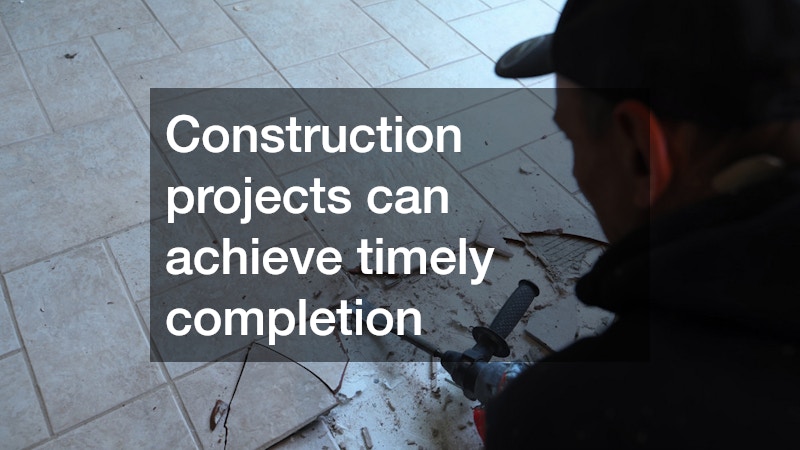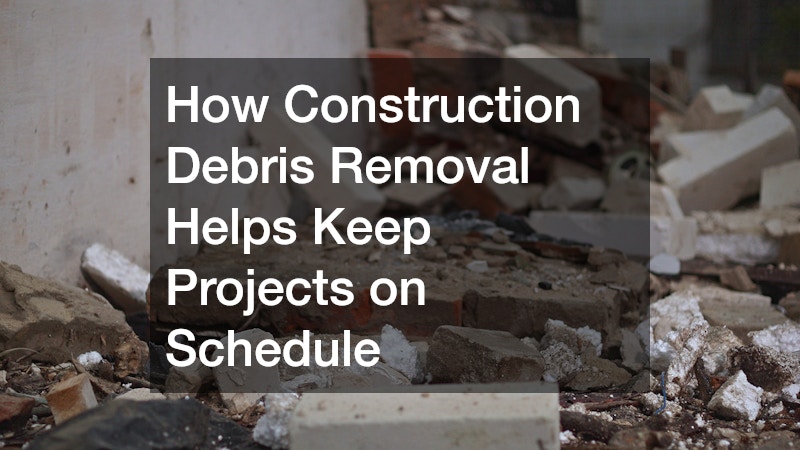

In the bustling city of San Diego, CA, construction projects are continually reshaping the urban landscape. A crucial yet often overlooked element in maintaining the efficiency and timeliness of these projects is the removal of construction debris. Beyond mere cleanliness, construction debris removal significantly influences the pace and safety of project execution, helping keep everything on schedule.
Why is Construction Debris Removal Critical for Project Schedule?
The success of any construction project hinges on its ability to stay on schedule, and effective debris removal is at the heart of this. Timely removal prevents site congestion, ensuring that workers can operate efficiently without the risk of injury or delays caused by navigating through piles of waste.
An organized site boosts productivity by minimizing downtime and keeping the focus on project milestones.
Construction debris removal not only aids in maintaining a streamlined workflow but also upholds safety standards, which is crucial for avoiding work stoppages. In San Diego, where construction activity is high, the ability to reduce downtime through efficient debris management is invaluable. A clean worksite directly correlates with a safe work environment, supporting the health and wellbeing of workers.
What are the Most Common Types of Construction Debris?
Construction sites generate a myriad of waste types, each requiring different handling and disposal methods. Common debris includes wood remnants, concrete chunks, metal scraps, and plastic materials. Efficient management of these materials is essential, particularly in San Diego where environmental regulations are strict.
Wood and concrete, being voluminous, can quickly clutter a site if not regularly cleared, creating hazardous conditions and hindering accessibility. Metal and plastics, while sometimes smaller, pose environmental risks if not properly recycled or disposed of. These materials, if left unchecked, not only slow down progress but can result in fines and sanctions, further stressing project budgets and timelines.
In San Diego, the choice of a debris removal service should consider the specific types of waste generated to ensure compliance with local disposal laws. A focus on recycling and environmental sustainability is increasingly common in the industry, aligning with broader ecological goals. Hence, understanding and managing the common types of construction debris is paramount to keeping projects on track.
How to Choose the Best Debris Removal Service in San Diego, CA?
Selecting a reliable debris removal service in San Diego, CA, is a decision that requires careful consideration of several factors. First, look for providers with extensive experience in handling diverse types of construction waste specific to local regulations. Companies with a proven track record of compliance and efficient service delivery are ideal choices.
It’s also essential to assess the range and adaptability of services offered. Some projects may require regular debris removal, while others might need on-demand services. Ensure the provider is flexible enough to accommodate your project’s unique needs, thus fostering a partnership that can adjust as the project evolves.
Finally, consider the provider’s commitment to sustainability and environmental responsibility. In San Diego, many companies are adopting green practices, which can enhance your project’s eco-friendly credentials. Evaluating these factors will help ensure that your project benefits from dependable, regulatory-compliant debris removal, ultimately supporting your schedule and improving site conditions.
What are the Environmental Benefits of Proper Debris Removal?
Mitigating the environmental impact of construction activities starts with effective debris management, which significantly contributes to sustainability efforts. By ensuring that waste is properly sorted and disposed of, projects can minimize landfill contributions and emphasize recycling. In San Diego, these practices align with the city’s environmental regulations and community expectations.
Proper debris removal also helps in reducing carbon footprints by facilitating more efficient transportation and disposal methods. By optimizing waste separation and employing eco-friendly processes, construction projects can dramatically lower their overall environmental impact. This strategic approach not only benefits the planet but also enhances the reputation of construction firms as socially and ecologically responsible entities.
How Does Debris Removal Affect Project Costs and Budgets?
Effective debris removal plays a pivotal role in managing project costs and budgets, often providing significant savings. By preventing site congestion, it reduces the risk of delays that could extend labor costs and increase project duration. Keeping a clean and organized construction site minimizes potential hazards, thus avoiding costly legal issues.
In San Diego, the competitive environment demands projects to adhere to tight financial constraints. Efficient waste management can offer unexpected cost savings by reducing the need for last-minute or emergency services, which typically come at a premium. A reliable debris removal service ensures that the project remains within budget, avoiding financial overruns that are common without controlled waste management.
Construction debris removal is a critical component of maintaining project schedules, ensuring safety, and supporting environmental goals in San Diego, CA. By understanding the types of debris, selecting a dependable service provider, and embracing sustainable practices, construction projects can achieve timely completion with reduced environmental impact. Ultimately, effective debris management is not just about cleanliness — it’s about elevating the overall efficiency and success of construction endeavors in San Diego.