
Natural gas is one of the most widely used energy sources for cooking, heating, and powering home appliances. Because it is efficient and cost-effective, many homeowners and businesses rely on it every day without much thought about the infrastructure behind it. That infrastructure, however, must be installed correctly to ensure safety and consistent performance.
This is where professional gas line installation services play an essential role. Installing or modifying a gas line is not a simple plumbing task.
It requires technical knowledge, specialized tools, and strict adherence to safety standards. Even a small mistake during installation can lead to serious risks, including leaks or system failures.
Proper installation ensures that gas flows at the correct pressure, reaches appliances safely, and complies with local building codes. It also helps prevent long-term issues that can develop when lines are poorly fitted or improperly sealed.
Planning and System Assessment
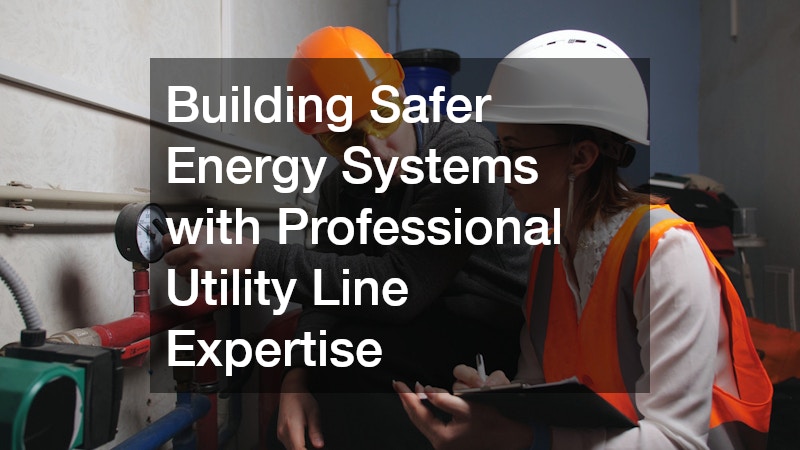
Before any installation begins, a detailed assessment of the property is necessary. This includes evaluating where gas will be used, what appliances will be connected, and how the piping will run through the structure. Careful planning helps create a system that is both efficient and safe.
Technicians who provide gas line installation services typically review existing utility layouts, check ventilation requirements, and identify the best routing options. This step is important because it reduces unnecessary piping, minimizes potential pressure drops, and ensures compliance with safety regulations.
In many cases, permits are required before installation work can begin. Licensed professionals handle this process to ensure everything meets local and state codes. This protects property owners from legal issues and helps guarantee that the system is approved for long-term use.
Installation Process and Safety Measures
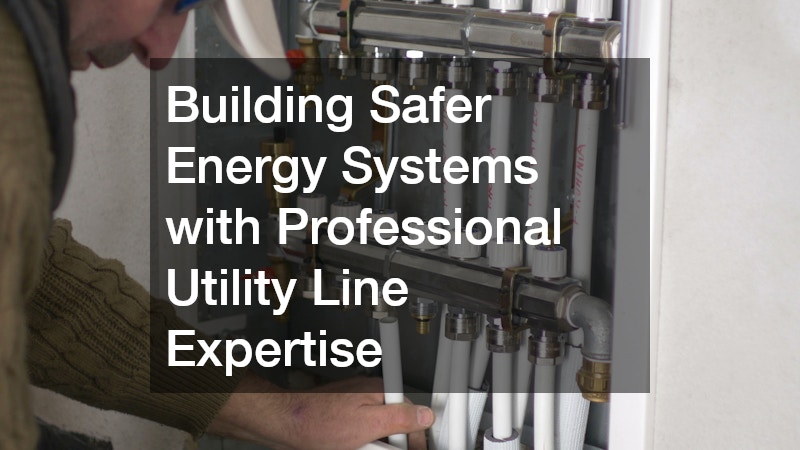
Once planning is complete, the installation process begins. This involves running approved piping materials through designated pathways and connecting them securely to the main gas supply and appliances. Each connection must be carefully sealed and tested to prevent leaks.
Professionals offering gas line installation services use specialized equipment to ensure accuracy at every stage. Pipes are measured, cut, and fitted with precision to avoid weak points in the system. Pressure testing is then performed to confirm that the entire line is secure and functioning correctly.
Safety is always the top priority during this process. Gas systems must be installed with proper ventilation and clearance from electrical lines or other utilities. Installers also follow strict protocols to ensure that no gas is released into the environment during or after installation.
Common Applications in Homes and Businesses
Gas lines are used in a variety of residential and commercial settings. In homes, they typically supply stoves, ovens, water heaters, fireplaces, and heating systems. In commercial environments, they may power larger kitchen equipment, industrial machinery, or heating units.
Reliable gas line installation services ensure that each application receives the correct amount of gas pressure and flow. This helps appliances operate efficiently and reduces the risk of performance issues. For businesses, especially restaurants or facilities with heavy energy demands, properly installed gas systems are critical for daily operations.
Upgrading or extending an existing gas line is also common during renovations or property expansions. As new appliances are added, the system must be adjusted to handle increased demand. Professional installation ensures these updates are integrated safely into the existing infrastructure.
Signs of Potential Issues
While properly installed gas systems are generally low maintenance, it is important to recognize warning signs that may indicate a problem. These can include the smell of gas, hissing sounds near pipes, or appliances that do not function as expected.
If any of these signs appear, immediate attention is necessary. A qualified technician should inspect the system to determine whether repairs or adjustments are needed. Attempting to fix gas-related issues without proper training can be dangerous and is not recommended.
Regular inspections can help identify small issues before they become serious. Many providers of gas line installation services also offer maintenance checks to ensure systems remain safe and efficient over time.
Long-Term Value of Professional Installation
Investing in professional installation provides long-term benefits that go beyond immediate functionality. A properly designed and installed gas system is more efficient, reducing energy waste and lowering utility costs over time. It also offers peace of mind, knowing that the system has been built according to safety standards.
Durability is another key advantage. High-quality materials and expert installation techniques help extend the lifespan of the system, reducing the need for frequent repairs or replacements. This makes professional installation a cost-effective choice in the long run.
A Reliable Foundation for Energy Needs
Gas systems play a central role in many homes and businesses, supporting essential daily activities. Ensuring they are installed correctly is not just a matter of convenience but also of safety and efficiency.
Professional gas line installation services provide the expertise needed to build secure, compliant, and efficient systems. From initial planning to final testing, each step is designed to create a dependable energy supply that supports long-term use.
With the right installation approach, property owners can rely on consistent performance, improved safety, and a stronger overall utility system for years to come.